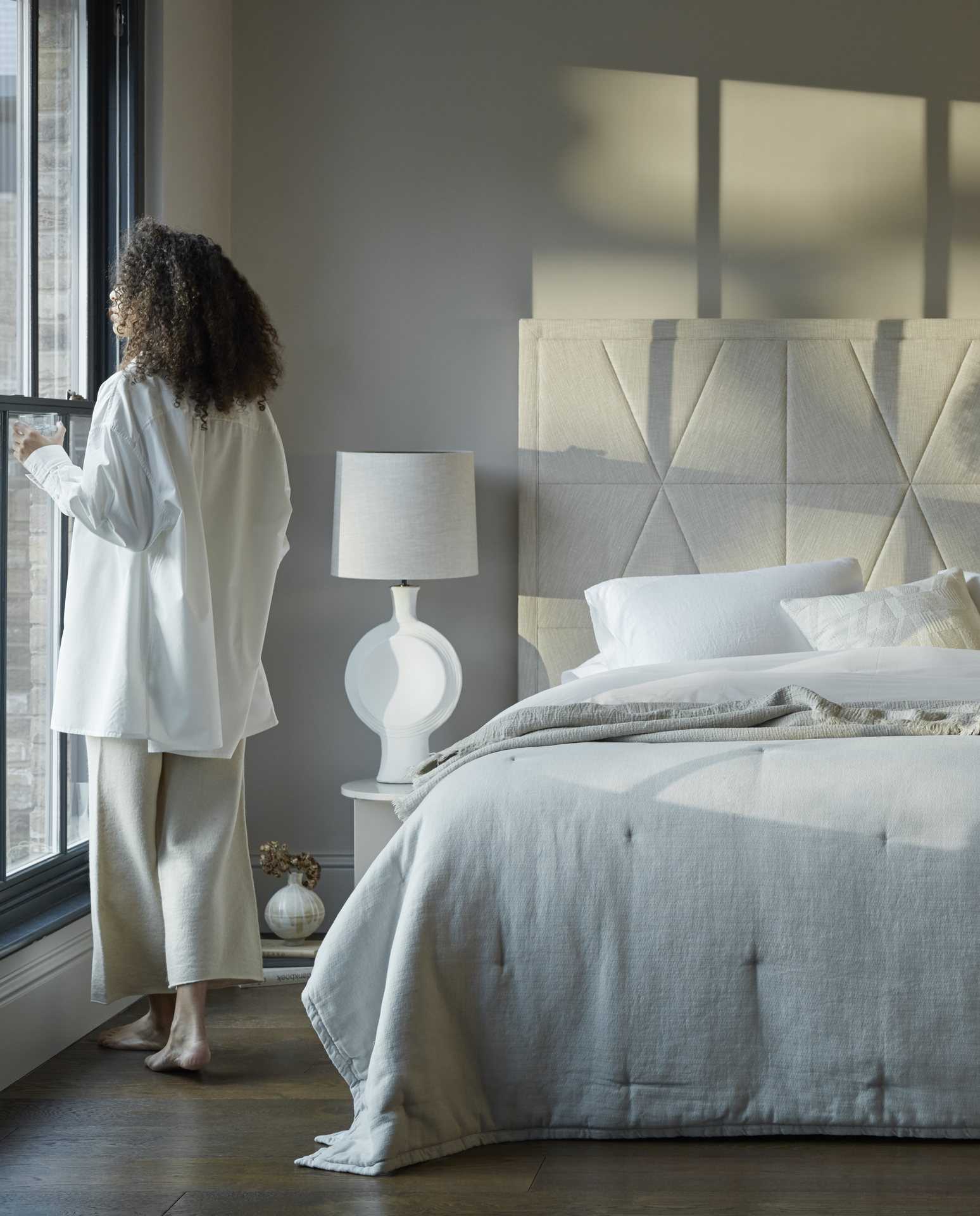
Room-by-room layout principles for small bedrooms
In the pursuit of an airy, editorial mood, the bed remains the star, but its placement should serve flow as much as rest. The palette, lighting, and texture work in concert with smart storage to create an environment that feels larger than its actual footprint. Begin with a floor plan that respects a clear path through the room, allowing easy movement between doorways, closets, and the bed without feeling crowded.
Key principles to consider:
- Bed placement: Avoid anchoring the room with the bed against the longest wall if it blocks doorways; consider a symmetry that centers the focal point and leaves a generous corridor to other zones like a tiny reading nook or desk.
- Under-bed storage: Elevate the bed on a platform with built-in drawers or use high-contrast, low-profile bins that slide in and out with ease. This preserves floor space and creates visual cohesion.
- Wall-mounted storage: Floating nightstands or slim wall-mounted shelves keep surfaces clear while delivering essential reach and accessibility.
- Circulation: A “corridor-style” movement pattern—where primary traffic lines are uninterrupted by bulky furniture—helps the room feel more expansive.
In practice, the goal is to blend function and form. A bedroom that breathes is not simply a larger room; it is a carefully curated stage for daily rituals, with every object chosen for purpose and silhouette.
Non-commercial guidance on storage-first furniture
Storage-first furniture is the couture of small-space living. The concept is elegant in its restraint: every piece has a built-in storage solution that remains visually quiet while providing high utility. The emphasis is on modular, adaptable forms that can morph with seasons or lifestyle changes, without sacrificing aesthetic harmony.
Consider these archetypes as foundational elements:
- Platform beds with integrated drawers or a lift mechanism offer seamless, concealed storage while maintaining a low, uninterrupted silhouette that elongates the perceived height of the room.
- Modular wardrobes that can be reconfigured—think cube storage units with closed fronts, alternating between open display and hidden compartments—to adapt to wardrobe growth or seasonal changes.
- Stackable boxes, bins, and slim chests that tuck into corners or align with walls, creating an organized wall of storage that doesn’t visually overpower the space.
- Floating desks or wall-mounted consoles that double as vanity or workstations without consuming floor space.
In a Vogue-flavored approach, imagine these pieces as sculptural elements in a monochrome or softly tonal scheme. The restraint in color and form is what makes the space feel curated rather than cluttered.
Quick-start checklists and neutral design tactics
To achieve an airy, cohesive look without overwhelming the space, follow a simple framework that emphasizes restraint, texture, and light. The objective is a room that appears larger not because of scale, but because of thoughtful contrast, tactile interest, and luminous surfaces.
- Color strategy: Favor a neutral base—soft whites, warm beiges, or cool greys—and introduce depth with layered textures rather than saturated color blocks.
- Lighting: Combine ambient ceiling light with task lighting (a wall sconce or slender floor lamp) and a touch of ambient glow from LED strip lighting behind a headboard or under furniture to create floating shadows and dimension.
- Textures: Build richness with textiles—cozy wool throws, linen drapes, a tactile rug, and denim-like upholstery on modular seating—without introducing loud patterns that compete for attention.
- Textures vs. scale: Keep large surfaces calm; use micro-ops (small decorative baskets, a single sculptural vase) to punctuate with quiet luxury.
- Storage composition: Choose storage-first furniture in matte finishes that absorb glare and reflect a refined mood; avoid glossy surfaces that read as louder in small spaces.
These tactics translate into tangible improvements: more usable floor area, cleaner sightlines, and an overall sense of calm that elevates everyday rituals—from waking to winding down.
Progressive ideation: from blueprint to real room-ready experiments
The room is a living editorial. Start with a blueprint, then stage a series of tiny experiments that reveal the room’s potential. For each experiment, document the before-and-after in a compact, visually crisp format. This approach mirrors magazine fashion shoots—careful composition, deliberate lighting, and a narrative arc that celebrates transformation without overhauling every detail at once.
In this section, three influential figures from different eras illuminate the philosophy behind these makeovers, offering design sensibility that translates into practical decisions for tiny bedrooms.
René Descartes (1596–1650)
The Cartesian framework invites us to measure, map, and optimize. In a small space, a methodical approach—documenting dimensions, traffic patterns, and zones for sleep, storage, and circulation—translates logical clarity into comfortable living. Descartes’ insistence on reasoning with orderly steps mirrors the meticulous planning required to maximize a compact bedroom without sacrificing serenity.
Zaha Hadid (1950–2016)
A master of spatial poetry, Hadid reminds us that architecture can be sculptural and fluid even in modest footprints. Translate her spirit into a small room by embracing sculptural storage silhouettes, floating elements, and a layout that feels like a modernist sculpture—sleek, purposeful, and dramatically efficient.
I. M. Pei (1917–2019)
Pei’s devotion to geometry and light offers a blueprint for clarity. In a tiny bedroom, structure your layout with clear grids, aligned edges, and luminous surfaces that reflect natural daylight. The disciplined elegance of Pei’s design informs how to create an environment that feels expansive through order and restraint.
By weaving the methodological discipline of Descartes, the sculptural modernity of Hadid, and the geometrical clarity of Pei into a single space, small bedrooms become canvases for refined living. The result is a space that feels larger, calmer, and more intentional—an embodiment of storage-first luxury.
Product inspiration: storage-first elements that elevate a compact sanctuary
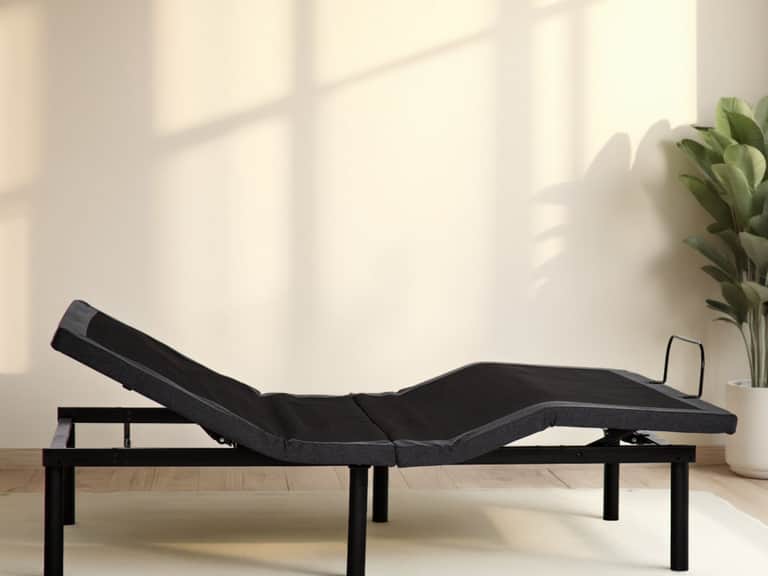
To translate theory into practice, select pieces that offer storage without compromising silhouette. One standout option from a curated range is a refined mattress base that doubles as a storage-hub and supports a serene sleeping platform. Consider The Clean Bedroom Level 3 Adjustable Bed Base as an anchor that combines form, function, and technology to optimize sleep posture while keeping nightstands free of visual clutter.
The Clean Bedroom Level 3 Adjustable Bed Base
A luxury sleep system with independent head and foot lifts, head tilt, dual massage, under-bed LED lighting, and USB charging. Its adaptable height range and wireless remote offer a tailored rest experience and a sense of elevated living within a compact footprint.
Key features:
- Independent head and foot lifts with head tilt
- Dual massage settings for relaxation
- Under-bed LED lighting and USB charging
- Seven height options from 2" to 13"
The bed base is paired with storage-first bedside companions like slim chests, modular wardrobes, and under-bed drawers to maintain a clean, editorial line across the room. When paired with storage-centric textiles and bedding, the result is a room that feels curated and calm, with every item designed to contribute to the overall aesthetic of effortless luxury.
Editorial outline: a starter kit for your launch
If you’re planning to launch a series around small-space bedroom makeovers, here is a cadenced content plan that blends editorial voice with practical how-tos:
- Room-by-room layout breakdowns with diagrams and printable checklists
- Shop-guides for storage-first furniture with a non-commercial, non-affiliate approach
- Before/after case studies featuring a minimalist aesthetic and functional storage upgrades
- DIY projects that repurpose boxes and modular components for clever, stylish storage
- Lighting and textiles focus: how light, texture, and neutral palettes amplify space
The voice should embody Vogue’s confident elegance: the prose is sleek, the tone is aspirational yet practical, and every tip is anchored in real-world, tiny-room realities.