Foam mattresses use layered materials to cushion the body and support a more even sleeping surface. Depending on their construction, foam layers can contour around pressure points, reduce motion transfer, and provide distinct levels of firmness. These features make foam mattresses a useful option for people comparing comfort, support, and fit with existing bedding.
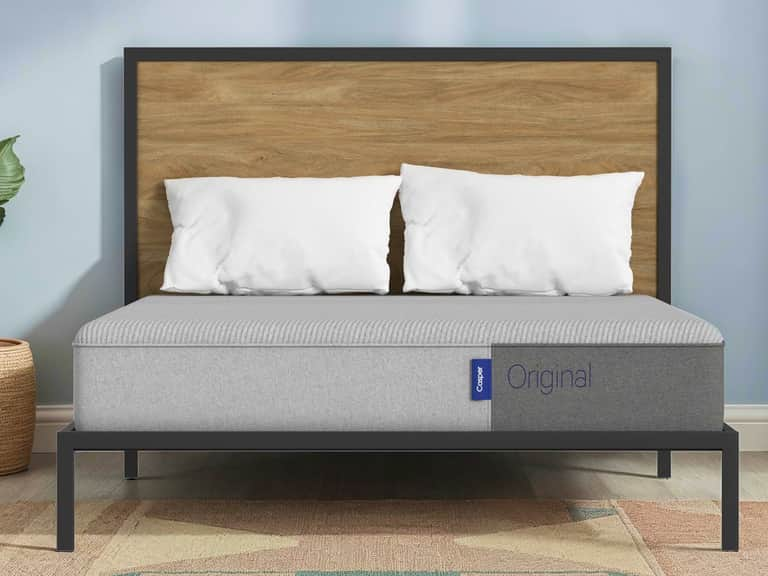
The Original Mattress combines comfort and support layers designed to accommodate different sleeping positions and help distribute body weight. Its foam construction can cushion shoulders and hips while limiting the transfer of movement across the mattress. This balance may be relevant to couples or sleepers seeking pressure relief alongside a stable, supportive feel.
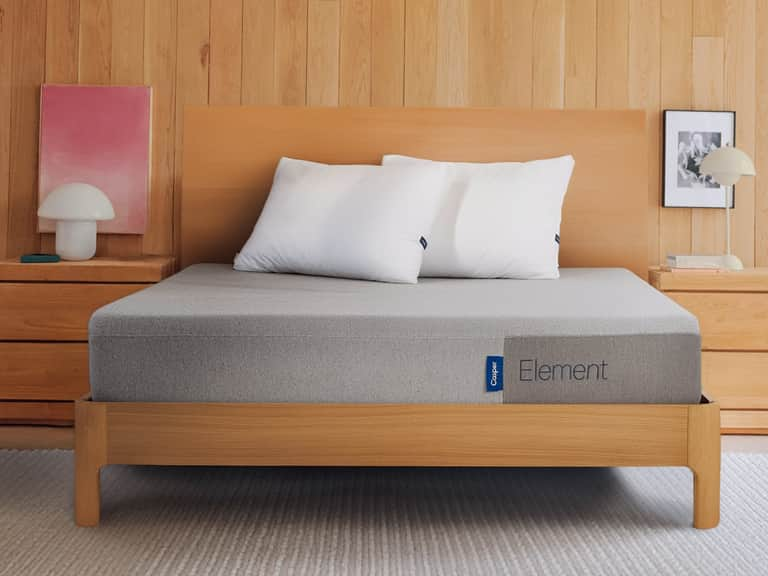
The Element Mattress is a foam mattress option with a straightforward layered design intended to provide cushioning and consistent support. Foam can adapt to the sleeper’s shape and help reduce pressure buildup during rest. Its functional simplicity makes it useful for people evaluating an accessible mattress format for a bedroom, guest room, or everyday sleep setup.
When comparing foam mattresses, consider firmness, thickness, pressure relief, temperature comfort, and how easily the mattress works with a bed frame. Foam density and layer design influence feel and support, while a breathable cover may contribute to comfort. Pairing a mattress with suitable pillows, sheets, and other bedding can also affect sleep conditions.
Material preferences are another important consideration for mattress selection. Some sleepers compare conventional foam with latex or organic mattresses, which can differ in resilience, sourcing, and feel. Reviewing construction details helps clarify those differences and identify which qualities matter most, including motion isolation, contouring, durability, and compatibility with personal comfort needs.
 Mattresses